
A Better Way for an EV World
August 2, 2017
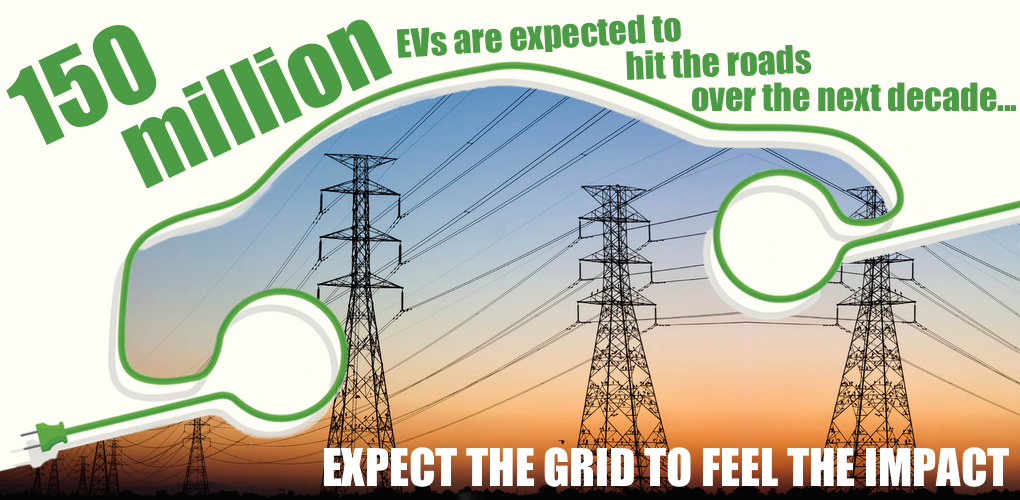
Last week Tesla rolled out its Model 3, creating the kind of wait-in-line excitement usually reserved for smart phone roll outs. The difference here is that Tesla’s product heralds real, disruptive change – the astonishing growth of the electric vehicle (EV) industry. Bloomberg Finance forecasts EVs could claim 35 percent of the auto market by 2040.
Tesla’s not alone. Toyota promised a new solid-state battery by 2022 that would boost the range of its EVs. Volvo became the first automaker to announce the phase out of gasoline-powered engines altogether by 2019.
Countries are following companies on the road to EVs. The United Kingdom just joined France, The Netherlands and India in banning diesel engines. Irony alert: all this as gasoline prices are settling at new lows.
EVs are the new hydraulic fracturing, a disruptive technology that should have similarly unsettling effects on conventional assumptions about grid reliability. Assumptions like we don’t need coal anymore. Or baseload power is passe.
Some experts believe the grid can handle the additional loads. Renewables are growing and the batteries that charge from the grid can also recharge to it. But other experts urge caution.
The IEA notes that charging car batteries “could have a sizeable impact on the capacity required” to serve the market. If not managed properly, EV charging would increase the draw on power plants at peak periods by about a third.
Here is where coal comes into the picture. Today coal generates a third of the nation’s electricity, ensuring that many EV batteries will be charged with coal-generated power. With the world’s largest coal supply, America’s miners can easily ramp up production to meet new demand whenever it’s needed.
But far fewer coal-fueled power plants are in operation today, leaving fewer plants to use coal and leaving the grid with a less diverse supply of electricity.
Hopefully, the grid will be ready when millions of EV owners charge their battery during peak periods. Let’s hope it can simultaneously withstand the stress during summer heatwaves and frigid winters.
But we should not have to hope. We can provide market certainty by keeping existing coal plants operating and setting realistic emissions standards for building new ones.
Disruptive technologies disrupt not just markets but assumptions and expectations. A better way is to prepare for them.
- On August 2, 2017